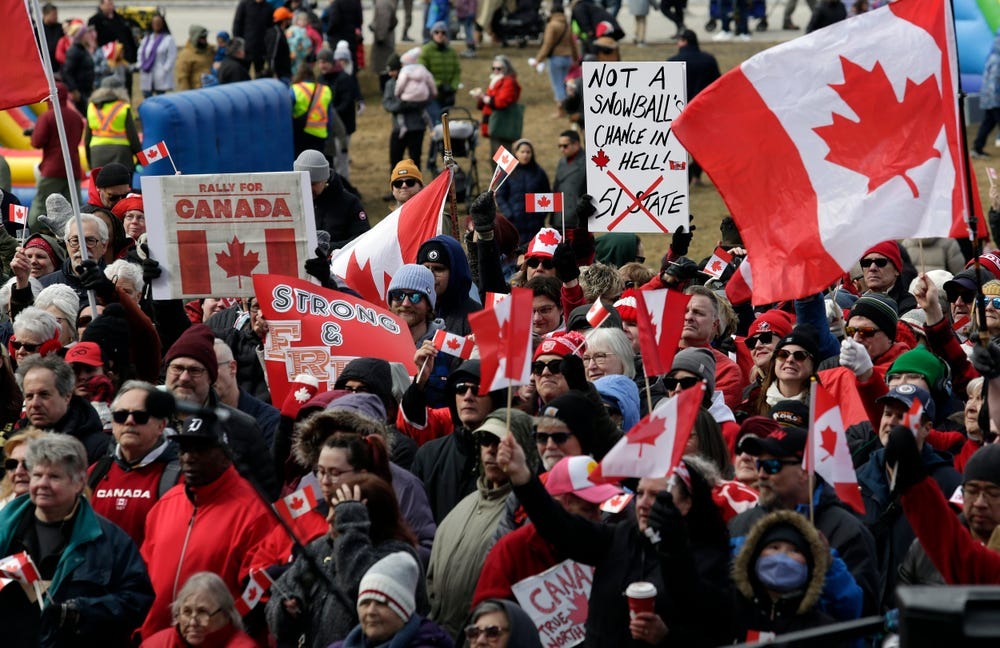
April 2025 marked a significant escalation in the Canadian boycott of U.S. travel, reflecting deepening political tensions and economic disputes between the neighboring countries. This movement, fueled by Canadian citizens’ growing dissatisfaction with U.S. policies and rhetoric, led to a substantial decline in cross-border travel, with notable impacts on both nations’ economies.
Political Tensions Ignite the Boycott
The roots of the boycott trace back to a series of provocative actions and statements from the U.S. administration. President Donald Trump’s imposition of sweeping tariffs on Canadian goods and his controversial suggestion that Canada should become the “51st state” sparked widespread outrage among Canadians. These developments were perceived not only as economic aggression but also as an affront to Canadian sovereignty and identity. In response, Canadian leaders, including Prime Minister Justin Trudeau, urged citizens to prioritize domestic products and reconsider travel plans to the U.S., leading to a nationwide movement to boycott American goods and services.
Sharp Decline in Cross-Border Travel
The impact of the boycott became starkly evident in April 2025. Statistics revealed a 32% drop in Canadian car travel to the U.S. compared to the previous year, with a 13.5% decrease in air travel. This trend represented the third consecutive month of significant declines, indicating a sustained and growing reluctance among Canadians to visit their southern neighbor.
Airlines and travel companies felt the immediate effects. Air Canada reported a 10% decline in bookings for U.S.-bound flights for the spring and summer months. Similarly, travel agencies noted a 90% drop in new bookings for U.S. vacations, as clients opted for alternative destinations.
Economic Repercussions on U.S. Tourism
The boycott’s ramifications extended beyond travel statistics, significantly affecting the U.S. tourism industry. Canadian tourists, who previously accounted for a substantial portion of international visitors, curtailed their travel plans, leading to projected losses of up to $6 billion in 2025. States heavily reliant on Canadian tourism, such as Florida, New York, and California, faced notable declines in visitor numbers, impacting local businesses and employment.
In Florida, for instance, the absence of Canadian “snowbirds”seasonal visitors escaping the harsh northern winters resulted in empty hotel rooms and struggling businesses. Tourism-dependent enterprises reported significant revenue losses, with some operators describing the situation as a “complete collapse.”
Shift to Alternative Destinations
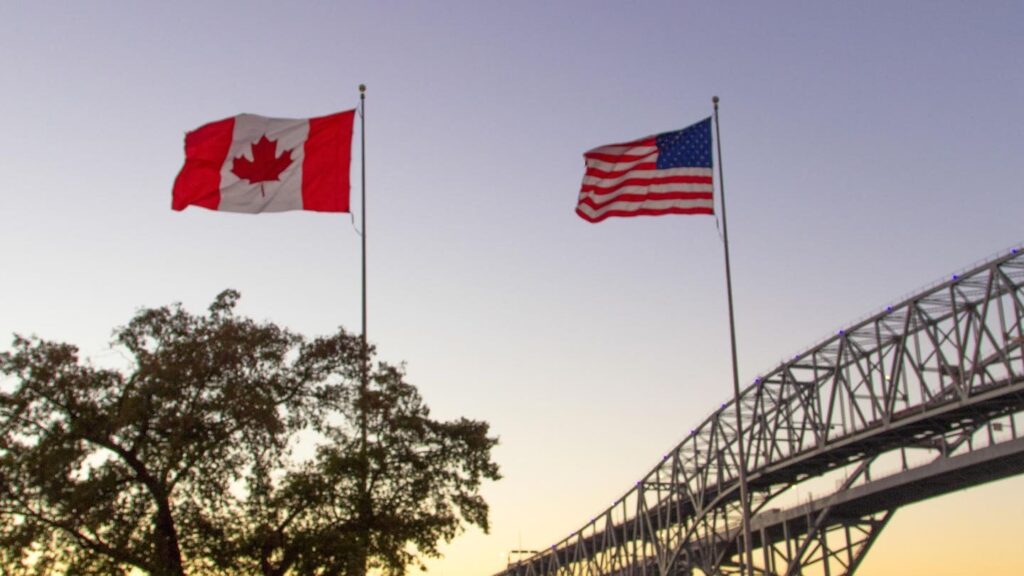
As Canadians turned away from the U.S., many sought alternative travel destinations. Countries like Mexico, Portugal, Spain, and France experienced an uptick in Canadian tourists. Travel companies reported increased interest in these regions, attributing the shift to both political considerations and a desire for more welcoming environments.
Domestically, Canadians also chose to explore their own country, with 40% of respondents in a survey indicating a preference for local travel. This trend not only supported the national economy but also reinforced a sense of unity and resilience in the face of external pressures.
Broader Consumer Boycott
The travel boycott was part of a wider movement among Canadians to reduce reliance on American products and services. Surveys revealed that 78% of Canadians intended to purchase more domestic products, and 59% were actively boycotting U.S.-made goods. This consumer shift affected various sectors, including the beverage industry, where American-made alcohol was removed from liquor store shelves in several provinces.
Businesses adapted by sourcing locally and seeking non-U.S. suppliers, reflecting a broader Canadian reaction to U.S. tariffs and policies. This movement not only demonstrated economic resilience but also highlighted a collective commitment to national interests.
Outlook and Future Implications
The Canadian boycott of U.S. travel and goods in April 2025 underscored the profound impact of political decisions on international relations and economic activities. As tensions persisted, the long-term effects on both nations remained uncertain. However, the events of April served as a poignant reminder of the interconnectedness of politics, economics, and public sentiment, emphasizing the need for thoughtful diplomacy and mutual respect in fostering positive bilateral relations.
Final Thought
The Canadian boycott of U.S. travel in April 2025 was more than just a temporary reaction it was a powerful expression of national identity, economic independence, and political resistance. It revealed how everyday citizens could collectively influence international relations through personal choices. As the rift between Canada and the U.S. continues to evolve, this movement may serve as a lasting reminder that diplomacy must be rooted in mutual respect and that the decisions of world leaders reverberate far beyond the walls of government. Whether this boycott will lead to meaningful change or entrench deeper divides remains to be seen, but its message is clear: Canadians are no longer willing to turn a blind eye when their values are challenged.
