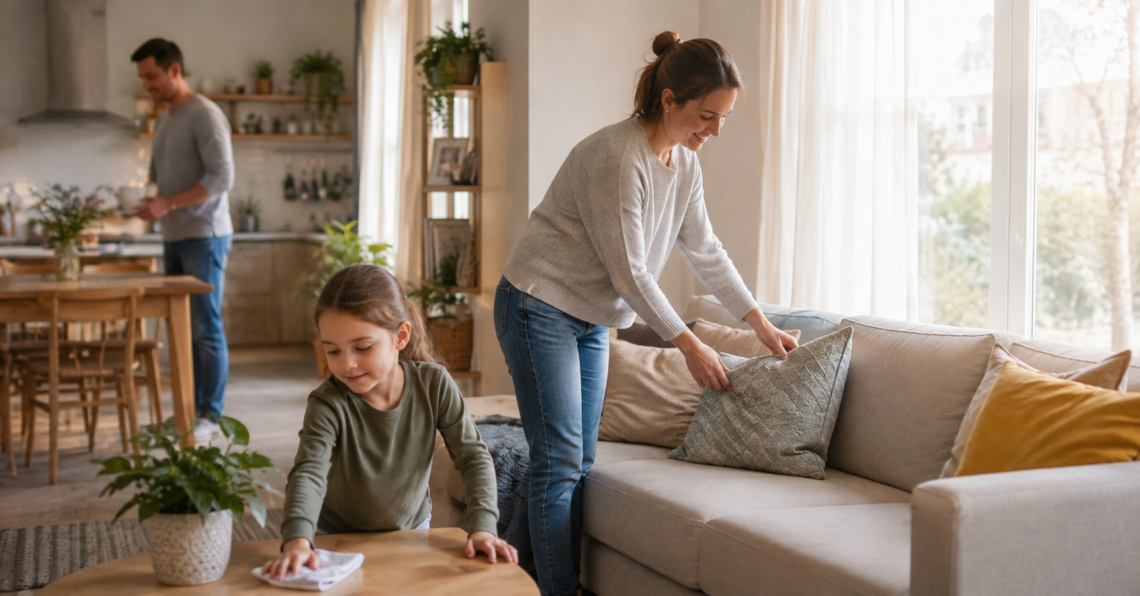
A peaceful home does not have to look perfect, smell like a hotel, or stay completely quiet all day. Real homes are lived in, and that means there will always be dishes, laundry, toys, work, conversations, and the occasional mess. What makes a home feel peaceful is not perfection but the small routines that prevent everyday chaos from becoming overwhelming.
Creating everyday habits for a peaceful home can make a noticeable difference without adding hours of housework to your schedule. Simple actions such as putting things back after use, keeping surfaces reasonably clear, opening the windows, and giving each room a quick reset can help your home feel more comfortable.
The best part is that these habits do not require expensive products or complicated cleaning schedules. They simply encourage everyone in the household to take small steps that keep the home manageable.
Everyday Habits for a Peaceful Home
A calm home usually begins with consistency. When small tasks are handled regularly, they are less likely to build into large jobs that take an entire weekend to complete.
The idea behind everyday habits for a peaceful home is not to spend every spare minute cleaning. Instead, it is about making simple actions part of your normal routine so that your surroundings remain reasonably organised without much extra effort.
Start With a Quick Morning Reset
The way you start your morning can influence how the rest of the day feels. You do not need to clean the entire house before breakfast. Simply make the bed, open curtains, put away anything that was left out overnight, and clear the kitchen after eating.
These small actions can make the home feel more organised before the day’s responsibilities begin.
Keep Surfaces Clear
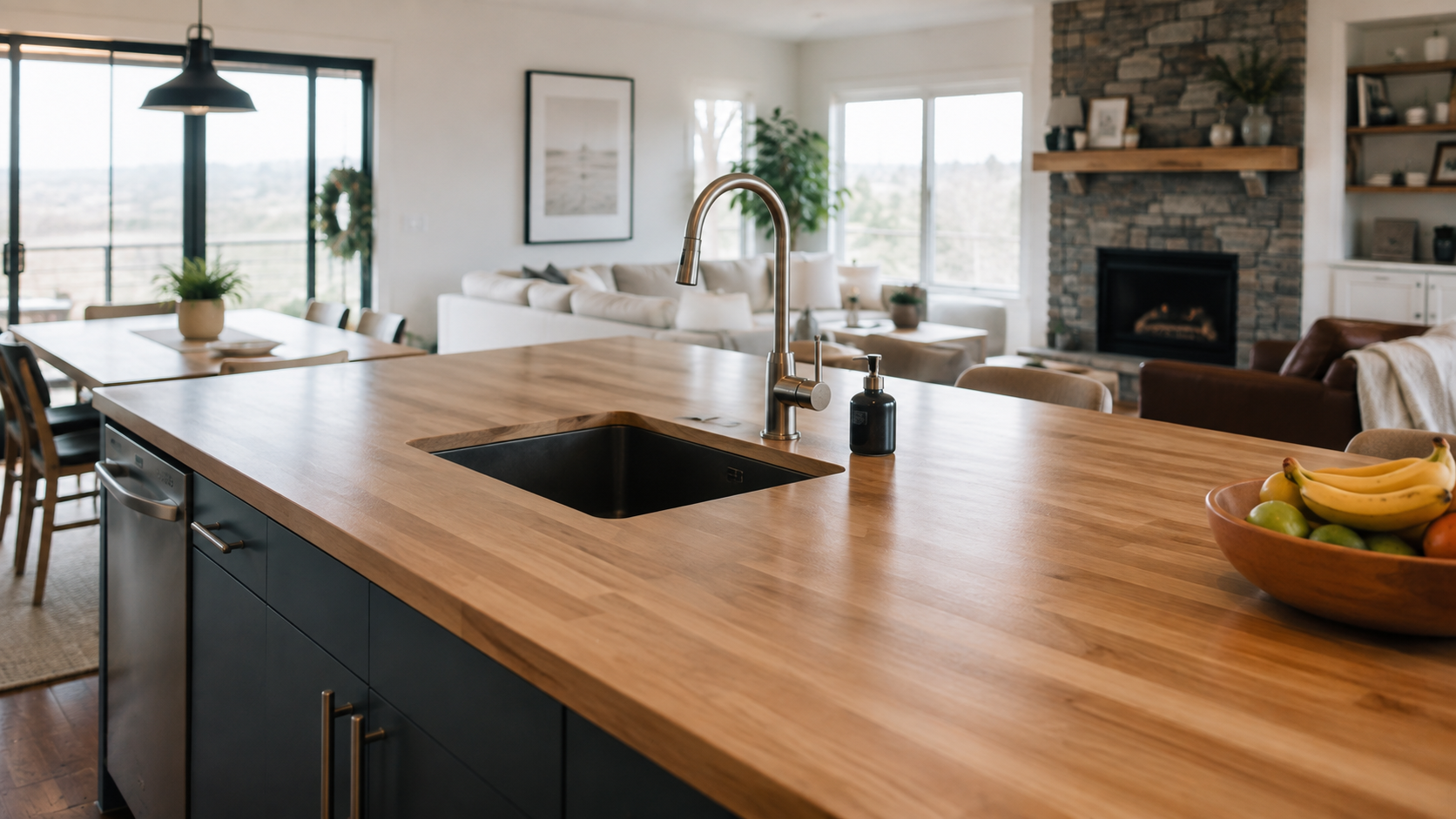
Clutter has a way of making rooms feel busier than they actually are. When tables, worktops, shelves, and other surfaces become crowded, the entire room can appear untidy even when the rest of the space is clean. Rather than waiting until everything becomes overwhelming, spend a few minutes returning unnecessary items to their proper places.
For everyday habits for a peaceful home, clear surfaces are especially useful because they create an immediate visual sense of order.
Give Everything a Place
It becomes much easier to keep a home organised when everyday belongings have a clear place to go. Keys can have a designated bowl, shoes can stay in one area, and frequently used items can be stored where they are easy to reach. When something has a home, putting it away becomes a simple action rather than another decision.
Make the Bed Each Morning
Making the bed takes only a few minutes, yet it can change the appearance of a bedroom immediately. A tidy bed gives the room a more finished appearance and can make the space feel more relaxing.
It is also a useful starting point because it creates a small sense of achievement at the beginning of the day.
Keep Bedding Fresh
Fresh bedding can make a bedroom feel cleaner and more inviting. Wash sheets and pillowcases regularly according to your household needs and allow bedding to air when practical.
You do not need to make the bedroom perfect. A clean bed and a reasonably tidy floor can make a substantial difference.
Create a Kitchen Reset Routine
The kitchen often becomes one of the busiest areas of a home. Meals, dishes, food preparation, and family activity can quickly create clutter.
A short evening reset can help prevent the next morning from starting with yesterday’s mess. Wash or load dishes, wipe down the main worktops, return food to storage, and clear unnecessary items.
This is one of the most useful everyday habits for a peaceful home because a tidy kitchen can make the whole house feel more organised.
Do Not Leave Everything Until Tomorrow
It can be tempting to leave small kitchen jobs until the following day. However, several small tasks can quickly become a much larger job. Doing a few minutes of tidying after meals is often easier than facing a heavily cluttered kitchen later.
Use a Simple Laundry Routine
Laundry can become stressful when it is allowed to pile up for too long. Instead of treating it as one enormous task, create a routine that matches the size of your household.
You might wash clothes on particular days or deal with smaller loads more regularly. Once clothes are dry, fold or hang them rather than allowing clean laundry to sit in a basket for several days.
Put Clothes Away Promptly
A clean pile of clothing can still make a bedroom feel untidy. Putting clothes into drawers or wardrobes soon after folding them keeps the room looking more organised.
If something is no longer worn, consider whether it needs to remain in the wardrobe.
Reduce Noise and Unnecessary Distractions
Peace is not only about cleanliness. Noise and constant digital interruptions can also affect how calm a home feels.
Where possible, create periods when televisions, phones, and other devices are not competing for everyone’s attention. Even a short quiet period in the evening can help the household slow down.
Create Calm Evenings
Dimmer lighting, quieter conversations, relaxing music, or simply sitting together without constant notifications can create a more peaceful atmosphere. There is no need for an elaborate evening routine. A few intentional choices can change the mood of a room.
Let Fresh Air Into the Home
Fresh air can make rooms feel brighter and more comfortable. When weather and circumstances allow, open windows for a short period to improve ventilation. This simple action can also help remove cooking smells and make rooms feel less stuffy.
Make Ventilation Part of Your Routine
Opening bedroom windows in the morning or airing the living room during the day can become an automatic habit. It takes very little time and can make the home feel fresher.
Deal With Small Messes Quickly
One of the easiest ways to maintain a calmer home is to avoid allowing small problems to become large ones. A cup left on a table, a coat dropped on a chair, or packaging left on the worktop takes only moments to deal with.
If you notice something that can be sorted immediately, handle it when practical.
This approach makes everyday habits for a peaceful home feel less like cleaning and more like maintaining your surroundings as you use them.
Follow the One-Minute Rule
If something takes roughly a minute to put away or tidy, do it immediately rather than adding it to a future task. This does not mean rushing around the house constantly. It simply prevents very small jobs from accumulating unnecessarily.
Give Each Room a Quick Reset
A room does not always need a full clean to feel better. A quick reset can involve putting objects away, straightening cushions, clearing obvious rubbish, and returning items to their usual places. You can do this while moving from one room to another.
Focus on the Most Used Rooms
You do not need to reset every room every day. Give priority to spaces where the household spends most of its time, such as the kitchen, living room, bedroom, or home office. Keeping these areas under control can have the biggest impact on how the home feels.
Avoid Bringing Unnecessary Clutter Home
Keeping a peaceful home is easier when less unnecessary stuff enters it. Before buying something, consider where it will be stored and whether it genuinely adds value.
This is particularly useful with decorations, kitchen gadgets, clothes, paperwork, and items purchased simply because they are on offer.
Use a Simple Decluttering Habit
When you notice something you no longer use, decide whether it should be donated, recycled, sold, or discarded.
You do not need to declutter the entire house in one weekend. Removing a few unnecessary items regularly can gradually create more space.
Share Household Responsibilities
A peaceful home should not depend on one person doing everything. If several people live together, everyone can contribute in age-appropriate and practical ways.
Small responsibilities can include putting away personal belongings, clearing dishes, taking rubbish out, or keeping shared spaces tidy.
Make Tasks Feel Normal
Household jobs become easier when they are treated as ordinary parts of living rather than major events.
Children can also learn simple responsibilities by returning toys, putting clothes away, or helping clear the table. The aim is to create cooperation rather than perfection.
Keep Paperwork Under Control
Bills, letters, receipts, school papers, and other documents can quickly create clutter. A small filing system can prevent paperwork from spreading across tables and worktops. Keep important documents in one designated place and deal with unnecessary papers regularly.
Create a Small Paper Station
A folder, drawer, or box can be enough for documents that need attention. Once paperwork has a designated location, it is less likely to become scattered throughout the home.
Make Your Home Comfortable, Not Perfect
One of the biggest obstacles to a peaceful home is the belief that everything must always be spotless. Real homes become untidy. People have busy days, unexpected visitors arrive, meals need preparing, and plans change.
A comfortable home should support the people living in it rather than make them feel constantly judged by unfinished chores. The most effective everyday habits for a peaceful home are realistic enough to continue when life becomes busy.
Accept Some Imperfection
There will be days when the dishes remain in the sink or the laundry does not get folded immediately. That is normal. What matters is returning to your routine when you have the time and energy.
Build Habits Around Existing Routines
The easiest habits are often attached to things you already do. After brushing your teeth, you might quickly tidy the bathroom. After dinner, you can reset the kitchen. Before bed, you can return living-room items to their places. Attaching a new action to an existing routine makes it easier to remember.
Keep Habits Small
A habit does not need to take twenty minutes to be useful. Sometimes two or three minutes is enough. The goal is to make the action so manageable that you can continue doing it even on a busy day.
End the Day With a Gentle Reset
A short evening reset can make the next morning easier. Put away obvious clutter, prepare anything needed for the following day, straighten the main living space, and make sure the kitchen is reasonably tidy.
You do not need to clean the entire house before bed. A calm ending to the day is one of the most valuable everyday habits for a peaceful home because it prevents tomorrow from starting with unnecessary disorder.
Prepare for Tomorrow
Place keys where you can find them, prepare work or school items, and decide what needs attention in the morning. A few minutes of preparation can remove small sources of stress from the next day.
Final Thoughts
A peaceful home is created through small, repeatable choices rather than exhausting cleaning sessions. You do not need a perfect house, expensive storage systems, or a strict timetable. What matters is creating routines that reduce clutter, support comfort, and make everyday life easier.
The value of everyday habits for a peaceful home comes from their simplicity. Making the bed, clearing surfaces, resetting the kitchen, putting belongings away, opening the windows, reducing unnecessary noise, and sharing household responsibilities can all contribute to a calmer environment.
The most important thing is to choose habits that fit your real life. Start with one or two simple changes and allow them to become natural before adding more. Over time, these small actions can make your home feel more organised, comfortable, and welcoming without turning housework into a full-time responsibility.
A peaceful home is not one where nothing ever goes wrong. It is a place where small problems are manageable, people feel comfortable, and there is enough order to allow everyone to relax. With a few consistent habits, creating that atmosphere can become much easier than you might expect.
Frequently Asked Questions (FAQs)
How can I make my home feel more peaceful?
Start with small actions such as clearing surfaces, putting belongings away, keeping the kitchen manageable, and creating quieter periods during the day.
Does a peaceful home need to be perfectly clean?
No. A peaceful home does not need to be spotless. A comfortable and reasonably organised space is often more important than perfection.
How can I keep my home tidy with little effort?
Deal with small messes as they appear, give everyday items a designated place, and spend a few minutes resetting frequently used rooms each day.
What is the easiest habit to start with?
Making the bed, clearing the kitchen after meals, or putting things away immediately are simple habits that require very little time.
How can I reduce clutter at home?
Avoid bringing unnecessary items into the house and regularly remove things you no longer use, need, or enjoy.
How can families share household responsibilities?
Give each household member practical responsibilities that match their age and abilities, such as putting away belongings, clearing dishes, or tidying shared spaces.