Planning a family holiday can be exciting, but it can also feel like a lot of work when children are coming along. There are flights to arrange, accommodation to choose, activities to consider, meals to think about, and plenty of little details that can easily be forgotten. The good news is that a family holiday does not need to become complicated. With a little preparation and realistic expectations, it can be enjoyable for both parents and children.
Learning how to plan a family vacation starts with understanding that children have different needs from adults. They may need more breaks, familiar food, entertainment, and enough time to rest. A successful family trip is not about packing every day with activities. It is about creating a comfortable balance between exploration, relaxation, and quality time together.
How to Plan a Family Vacation Without Stress
The easiest way to begin is by deciding what you want from the holiday. Some families prefer beaches and relaxed mornings, while others enjoy sightseeing, outdoor activities, or visiting attractions. Discussing these preferences before booking anything can help everyone feel involved.
When learning how to plan a family vacation, remember that the best itinerary is not necessarily the busiest one. Children can become tired or restless when every hour is planned. Leaving some free time gives the family flexibility when plans change.
Choose a Child-Friendly Destination
The destination should match the ages and interests of your children. A place with family-friendly accommodation, accessible transport, safe public spaces, and suitable activities can make the entire trip easier.
Think about the journey as well as the destination. A beautiful location may not be the best choice if reaching it requires several long transfers with young children. Sometimes a slightly closer destination provides a much more enjoyable experience.
Set a Realistic Holiday Budget
Money is an important part of family travel planning. Before making bookings, work out how much you are comfortable spending on transport, accommodation, food, activities, shopping, and unexpected costs.
A useful approach to how to plan a family vacation is to create a flexible budget rather than focusing only on the cost of flights and hotels. Meals, transfers, attraction tickets, luggage fees, and travel insurance can all add to the final amount.
Leave Room for Unexpected Costs
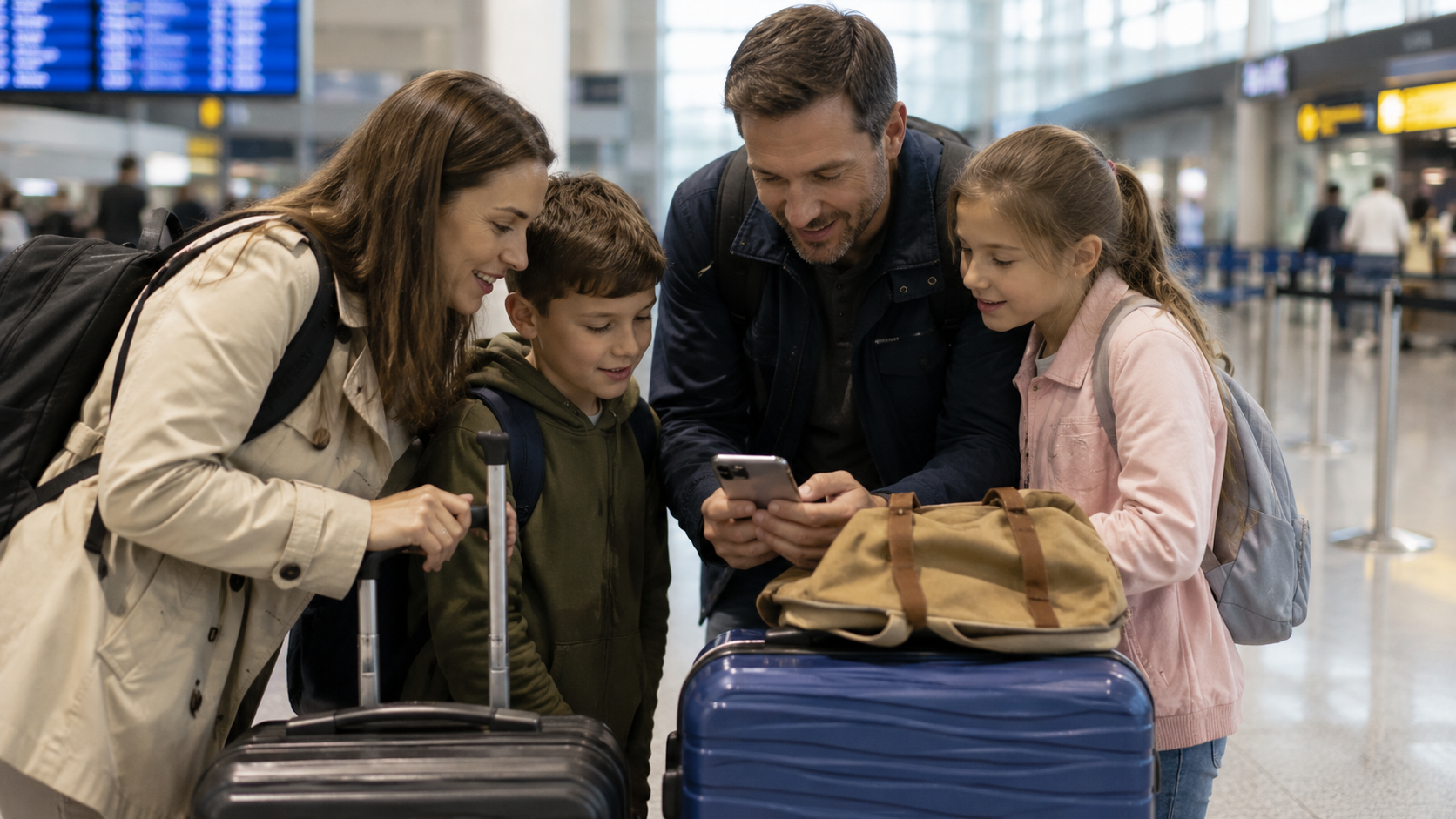
Even well-planned holidays can involve unexpected expenses. A child may need new clothes, you may decide to visit an additional attraction, or transport may cost more than expected.
Keeping a small amount aside for these situations can prevent minor surprises from becoming a major source of stress.
Pick the Right Accommodation
Where you stay can have a huge effect on the family experience. A hotel may be convenient, while a holiday apartment or villa can provide more space and kitchen facilities.
When considering how to plan a family vacation, look beyond photographs and room prices. Check the location, sleeping arrangements, nearby shops, transport options, and facilities that are useful for children.
Think About Sleeping Arrangements
Children often sleep better when they have a comfortable and predictable environment. Check whether the accommodation provides suitable beds, cots if required, and enough space for everyone.
A room that looks attractive online may feel cramped when several suitcases and children’s belongings are added, so space is worth considering before booking.
Plan the Journey Carefully
Travel days can be tiring for adults, and they can be even more demanding for children. Long flights, airport queues, road journeys, and unfamiliar surroundings can test everyone’s patience.
One important part of how to plan a family vacation is making the journey as comfortable as possible. Check travel times carefully and avoid unnecessarily tight connections where possible.
Prepare a Small Travel Bag
Keep essential items within easy reach during the journey. Depending on the children’s ages, this might include snacks, water, headphones, books, a tablet, wipes, spare clothing, and a few familiar items.
Avoid putting everything into checked luggage. Anything that may be needed during the journey should be accessible.
Pack for Comfort Rather Than Perfection
Packing for children can quickly become excessive. It is tempting to prepare for every possible situation, but carrying too much can make travel more difficult.
The better approach is to pack practical clothing that can be mixed and matched. Consider the weather forecast, planned activities, and access to laundry facilities.
Keep Important Items Accessible
Documents, medicines, chargers, snacks, and essential toiletries should be easy to reach. If travelling with younger children, keep a spare change of clothes nearby in case of spills or accidents. A little organisation before leaving home can save considerable frustration later.
Build a Flexible Itinerary
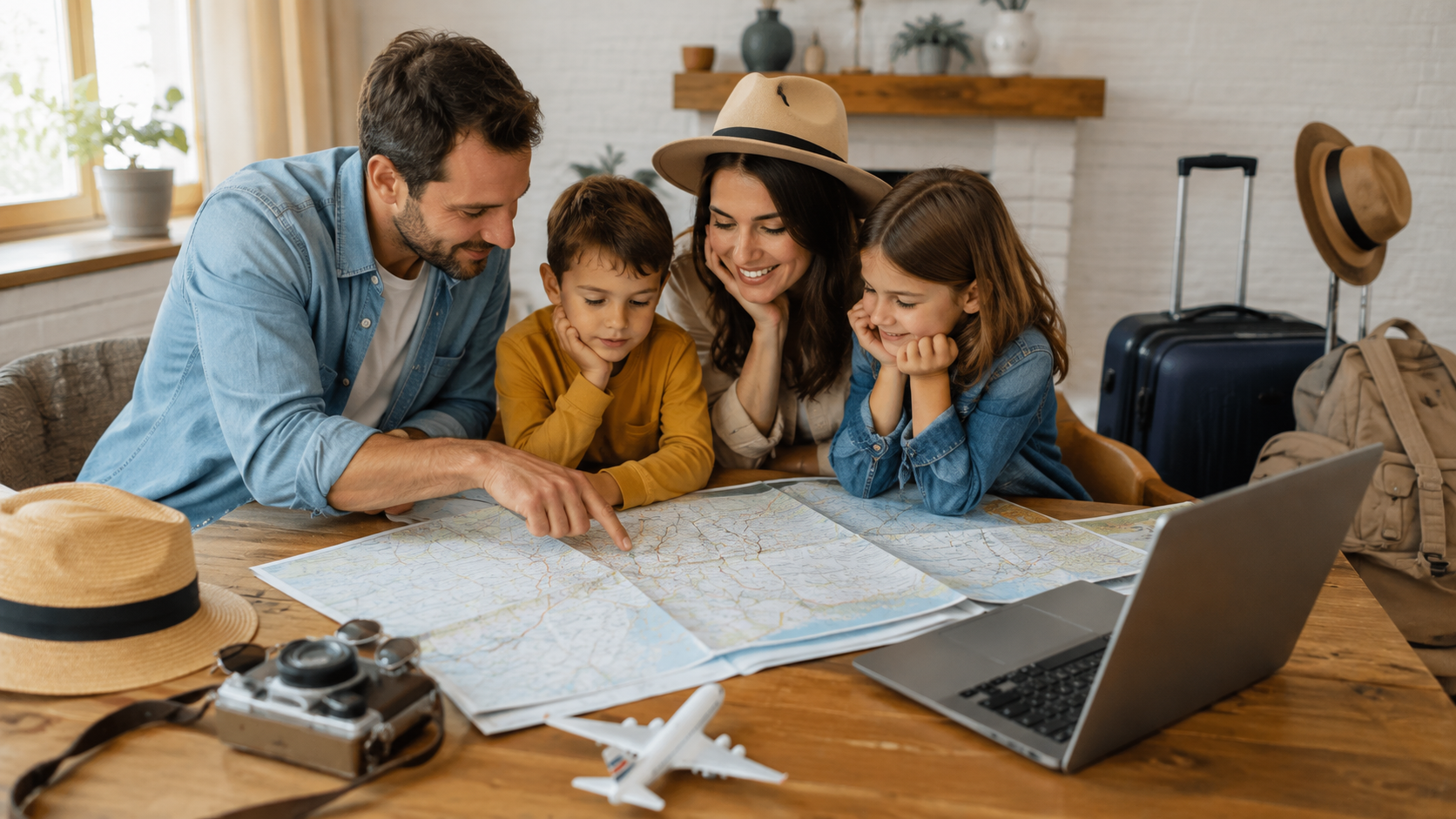
Children usually enjoy holidays more when there is a mixture of activities and downtime. Instead of booking something for every morning and afternoon, choose a few experiences that matter most and leave space between them.
Understanding how to plan a family vacation means accepting that plans may need to change. A child may become tired, the weather may change, or the family may simply want a quiet afternoon.
Avoid Overplanning
Trying to visit every attraction in a destination can leave everyone exhausted. Choose experiences that genuinely interest the family rather than trying to complete a checklist. One memorable activity can be more enjoyable than several rushed visits.
Involve Children in the Planning
Children are more likely to become excited about a holiday when they have some involvement in the decisions. Younger children can choose between two suitable activities, while older children can research attractions or help decide where to eat.
This makes how to plan a family vacation a shared process rather than something handled entirely by parents.
Give Children Simple Choices
Avoid giving young children too many options. Instead, offer two or three choices that you are comfortable with.
For example, they might choose between visiting a zoo or spending the afternoon at the beach. This gives them a sense of involvement while keeping the overall plan manageable.
Keep Meals Simple
Food can become surprisingly important during family travel. Children may not want to try unfamiliar dishes every day, and hunger can quickly affect their mood.
Research a few family-friendly places before travelling, but do not feel that every meal needs to be an event. Simple breakfasts and familiar snacks can make busy days easier.
Carry Familiar Snacks
Having a few snacks available can be useful during journeys and between activities. Choose options that travel well and suit your children’s needs.
It can also help to know where local supermarkets or convenience shops are located so you do not need to carry everything for the entire holiday.
Allow Enough Rest
One of the most common mistakes families make is underestimating how tiring travel can be. Even exciting activities can become exhausting when combined with unfamiliar surroundings and changes to normal routines. When thinking about including quiet periods rather than treating rest as wasted time.
Protect Sleep Routines
Children may sleep differently while travelling, but maintaining some familiar elements can help. Keeping a similar bedtime where practical, bringing a favourite comfort item, and allowing enough time to wind down can make evenings easier. Parents also need rest. A holiday should not become a constant effort to entertain everyone.
Prepare for Different Weather
Weather can change plans quickly, particularly when travelling with children. Before leaving, check the typical conditions for the destination and prepare suitable clothing.
Even during warm holidays, lightweight jackets or waterproof layers can be useful. If rain is likely, identify a few indoor activities before travelling.
Have a Backup Plan
A rainy day does not need to ruin a family holiday. Museums, aquariums, indoor play areas, cinemas, craft activities, and family-friendly cafés can provide alternatives. Having a backup option reduces the pressure to make decisions at the last minute.
Keep Safety in Mind
Safety should always be part of family travel planning. Children can become distracted in busy airports, shopping areas, beaches, and tourist attractions.
Before travelling, talk to children about basic safety rules in a way that suits their age. Older children should know how to contact a parent if separated, while younger children should stay within close reach.
Carry Essential Information
Keep important contact details and travel documents organised. Parents should also know where the nearest medical facilities and pharmacies are located at the destination. This does not mean expecting something to go wrong. It simply provides peace of mind.
Do Not Forget Travel Insurance
Travel insurance can provide useful protection against certain unexpected problems, depending on the policy. Before purchasing cover, read the terms carefully and make sure it suits your family’s circumstances and planned activities.
This is another important consideration when learning how to plan a family vacation, particularly when travelling internationally.
Check the Policy Details
Look at what is covered, what exclusions apply, and whether children are included under the policy. Keep policy information accessible while travelling. Good preparation can make dealing with an unexpected situation much easier.
Make Time for Family Memories
A family holiday is more than getting from one attraction to another. Give yourselves time to enjoy small moments together. Have breakfast without rushing, watch the sunset, play a simple game, or take a walk through the local area.
The best lessons about how to plan a family vacation often come from remembering that the purpose of the trip is to spend enjoyable time together.
Take Photos Without Missing the Moment
Photos are wonderful reminders of a holiday, but there is no need to document every minute. Put the camera away occasionally and experience the moment together. Children often remember how a holiday felt more than the number of photographs taken.
Make the Return Home Easier
The holiday does not end the moment you arrive home. Returning from a trip can involve unpacking, laundry, work, school, and everyday responsibilities.
If possible, avoid scheduling something demanding immediately after returning. A quiet day at home can give everyone time to recover.
Leave Some Breathing Room
When booking flights or accommodation, consider your schedule after returning. Having a little spare time before work or school starts again can make the transition much smoother.
Final Thoughts
Family holidays do not need to be perfectly organised to be successful. Children may change their minds, weather may disrupt plans, and some activities may not go as expected. Flexibility is often more valuable than a flawless itinerary.
The most useful how to plan a family vacation approach is to focus on the needs of the whole family. Choose a suitable destination, create a realistic budget, select comfortable accommodation, prepare for the journey, and leave enough time for rest.
Most importantly, do not put too much pressure on yourself to make every moment perfect. A successful family holiday is one where everyone has opportunities to relax, explore, laugh, and spend meaningful time together. With sensible preparation and a flexible attitude, your next family trip can become a memorable experience rather than a stressful project.
Frequently Asked Questions(FAQs)
What should I consider before booking a family holiday?
Consider your children’s ages, travel distance, destination safety, accommodation, weather, activities, meal options, and overall budget before making bookings.
How can I make travelling with children easier?
Prepare snacks, drinks, entertainment, spare clothes, essential toiletries, and important documents in an easily accessible travel bag.
How many activities should I plan each day?
Avoid filling every hour. A few enjoyable activities combined with free time and rest usually makes the day more comfortable for children and parents.
What type of accommodation is best for families?
Family-friendly hotels, apartments, villas, and resorts can all work well. Look for comfortable sleeping arrangements, sufficient space, convenient locations, and useful facilities.
How can I keep children entertained while travelling?
Books, games, colouring activities, headphones, downloaded films, and suitable electronic devices can help children stay occupied during longer journeys.
How can I handle unexpected changes during a holiday?
Keep your itinerary flexible and have alternative activities available for bad weather, tired children, cancelled plans, or other unexpected changes.